Gaming's Most Established Names All Moved To Mobile In The Same Month
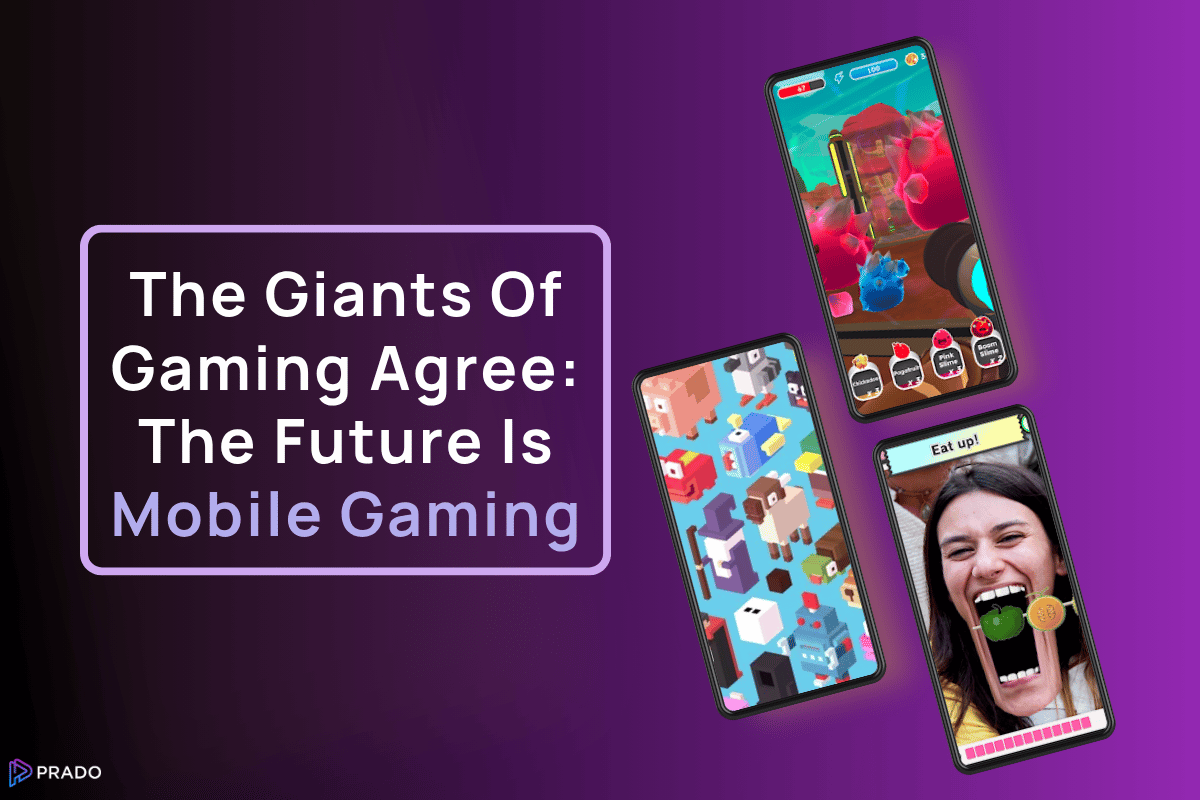
Mobile gaming produced three pieces of news in the past few weeks that are worth reading together. Nintendo shipped a brand new mobile game. A beloved indie hit finally arrived on phones. And Atari, a name older than most of the people reading this, spent close to $40 million buying a mobile studio. Each story is interesting on its own. Side by side, they say something useful about where play is heading, and where brands can meet it.
Here’s a recap
On May 19, Nintendo announced Pictonico!, a mobile game that turns the player's own photos into quick minigames, and released it on iOS and Android on May 28. It is Nintendo's first mobile game not tied to an existing franchise since 2018. One detail stood out to us: Nintendo states that player photos stay on the device and are never sent to its servers. When one of the most protective companies in entertainment builds something new, it builds it for the phone, and it builds it privacy-first.
Two days earlier, on May 26, Slime Rancher arrived on iOS and Android as a premium title, nearly a decade after its original release, with its interface rebuilt for touch. A game that made its name on PC and console now lives in pockets, because that is where its audience spends the in-between moments of the day.
Then on June 1, Atari announced it is acquiring Hipster Whale, the Melbourne studio behind Crossy Road and its 340 million downloads, for an initial $29.3 million with an earn-out that could bring the total to $39.3 million. Hipster Whale's co-founder will lead Atari's expanding mobile development efforts once the deal closes. A company that helped invent the arcade is putting real money behind the idea that the mobile phone is the arcade now.
Why this matters to brands and media planners
These are the architects of the gaming world, the ones who build the experiences players actually seek out. When industry titans like Nintendo and Atari make a decisive move to mobile, it isn't just a trend; it's a roadmap. Game makers go where players are, and in the span of a few weeks, three of the industry's longest-standing names all pointed at the same screen. The audience question that sometimes lingers in planning meetings has been answered by the people with the most at stake. We wrote earlier this year about the gap this creates: 70% of the audience is gaming, but only 3% of media spend shows up there. Moments like this month make the scale side of that equation harder to miss.
The Nintendo detail carries a second lesson. Photos staying on the device is a product decision, but it reflects an expectation players now bring to everything on their phone. Advertising inside games can meet that same expectation. Kite IQ, Prado's contextual intelligence engine, reads the game itself, its genre and the moment of play, to place the right ad at the right time without tracking the individual player. We explain how that works in our Kite IQ explainer, and how the Prado SDK protects brand suitability across every placement.
Play keeps moving to the phone. The companies that know games best are following it there, and the brands already planning around mobile gaming get to arrive at the same time rather than after. If you are working out what that looks like for your next campaign, talk to the Prado team. We are happy to walk through it with you.
.png)